

Unified Vulnerability Management
- What is Unified Vulnerability Management?
- How Does Unified Vulnerability Management Compare to Traditional Vulnerability Management?
- How Do UVM Tools Contextualize Vulnerability Data?
- How Does Unified Vulnerability Management (UVM) Fit Into Continuous Threat Exposure Management (CTEM)?
- Do Unified Vulnerability Management Tools Replace Vulnerability Scanners or Testing Tools?
- How Can PlexTrac Help with Unified Vulnerability Management?
What is Unified Vulnerability Management?
Unified Vulnerability Management, or UVM, is the centralization of all vulnerability data into a single platform where it is normalized, deduplicated and contextualized. This approach allows security teams to identify, prioritize, triage and remediate vulnerability from a single platform, whereas traditional vulnerability management approaches often require the use of disparate tools.
UVM provides teams with a complete, consistent view of risk across the organization, delivering full lifecycle visibility and consistent workflows from discovery to closure. Exposure assessment platforms (EAPs) deliver UVM by aggregating data from vulnerability scanners, penetration tests, Common Vulnerabilities and Exposures (CVEs), threat intelligence feeds and manual testing sources. Unification of this data helps to prioritize efforts on the most critical vulnerabilities, improves collaboration across security teams, and enables real-time reporting.
How Does Unified Vulnerability Management Compare to Traditional Vulnerability Management?
As the name would suggest, the most noticeable difference between UVM and traditional vulnerability management solutions is the unification of data into a single view. Traditional vulnerability management programs often relied on siloed vulnerability scanning and manual test data, leaving gaps, fragmented workflows and remediation efforts, and inconsistent prioritization. UVM goes beyond that by consolidating all exposure data across scanners, penetration tests, and other security tools into a single platform for a more comprehensive view of your organization’s attack surface.
Some of the other major differences between unified vulnerability management and traditional vulnerability assessment tools include:
- Focus and prioritization: UVM solutions offer risk scoring equations that leverage your specific business context to automatically prioritize remediation efforts based on true risk impact across your consolidated security data.
- Vulnerability deduplication: With a siloed vulnerability management approach, security teams often have to reconcile with duplicate vulnerabilities across various tools and redundant alert fatigue. UVM solutions consolidate findings from multiple tools with built-in deduplication and rule-based automations for a unified view of vulnerabilities across your entire toolset.
- Streamlined remediation workflows: UVM platforms can automate remediation workflows based on trigger events (such as a newly discovered critical vulnerability) and integrate with your security and collaboration tools (Jira, ServiceNow, Azure DevOps, Slack, etc.) to eliminate repetitive manual efforts.
- Uncover security vulnerability root causes: UVM tools can create thematic groupings of vulnerabilities and assets across all of your data sources, helping security teams track and identify the underlying issues introducing vulnerabilities into your environment.
- Real-time reporting and prioritization: With a unified view of vulnerabilities and remediation efforts, UVM tools significantly reduce manual efforts, speed up mean time to respond (MTTR), and automate remediation workflows. Risk scores are updated in real time as new vulnerabilities are discovered.
How Do UVM Tools Contextualize Vulnerability Data?
UVM platforms automatically enrich findings with business context, CVSS, CWE, KEV, and MITRE ATT&CK references, which help auto-generate a cyber risk score based on potential impact to an organization. Users can typically start with out-of-the-box risk-scoring equations or customize model to accommodate organizational priorities, business impacts, critical assets, or industry-specific needs.
PlexTrac’s UVM platform also offers reporting to visualize risk status and vulnerabilities in aggregate, which can help SOC teams summarize remediation status or show the progress of their vulnerability management program over time.
Turn Findings Into Measurable Risk Reduction
See how PlexTrac helps security teams prioritize risk and accelerate remediation.
How Does Unified Vulnerability Management (UVM) Fit Into Continuous Threat Exposure Management (CTEM)?
UVM is a foundational component of CTEM, as CTEM relies on having a complete, accurate, and continuously updated view of all exposures. This starts with unifying data from every scanner, assessment, and test so teams may continuously assess, prioritize, and reduce risk as part of an ongoing CTEM program. Like CTEM, UVM focuses on the continuous improvement of exposure management through automated ingestion of vulnerability data and real-time prioritization and scoring.
Do Unified Vulnerability Management Tools Replace Vulnerability Scanners or Testing Tools?
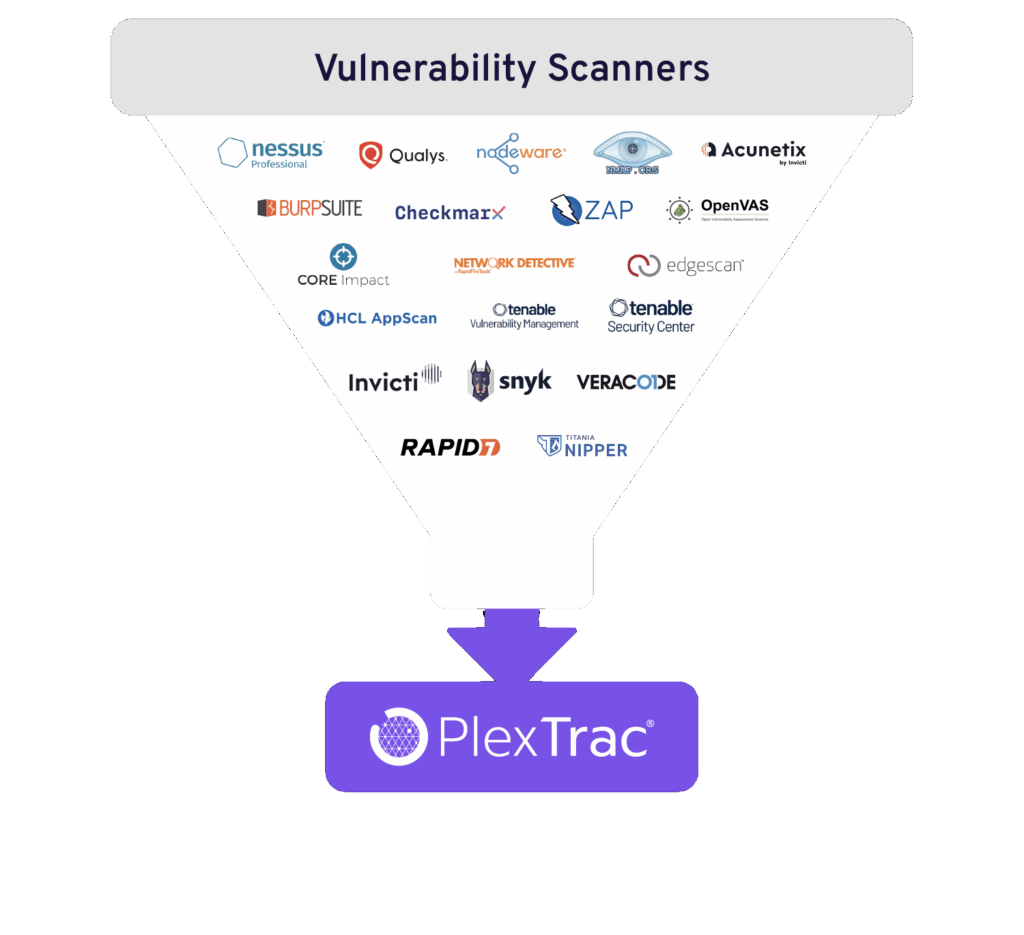
No. Unified vulnerability management tools do not replace scanners or testing tools. UVM platforms unify data from various VM tools, aggregating findings from all sources, deduplicating redundancy, normalizing the data, and applying consistent risk scoring and reporting. This gives teams a single source of truth to analyze, collaborate on, and track remediation across every exposure, regardless of where it originated.
How Can PlexTrac Help with Unified Vulnerability Management?
PlexTrac’s Unified Vulnerability Management platform centralizes risk management program in one platform, giving security teams a complete view of risk and standardized operational workflows to manage and remediate exposures. This helps organizations better understand the threat landscape, protect critical assets, make faster, real-time decisions, and strengthen their overall security posture.
PlexTrac’s capabilities to break down silos between pentest and VM data are unique compared to other unified vulnerability management offerings. PlexTrac unifies findings from penetration test reports, automated scans, and manual test results into a single, normalized view. With contextual enrichment, tagging, and dashboards, security teams gain the clarity they need to prioritize effectively and track remediation progress across the organization.
PlexTrac integrates with industry leading vulnerability scanners and security tools, includes an open API, and also can seamlessly ingest manual testing to data to provide a comprehensive view of vulnerabilities and potential threats.
You can learn more about the PlexTrac platform and how we can help strengthen and streamline your vulnerability management program here.